Why Roof Lights Deliver Modern Comfort
Skylight Myths Uncovered: Important Facts Every Homeowner Should Understand
A great number of homeowners maintain false beliefs about skylights, often viewing them as causes of issues rather than positive additions. Such misconceptions can result in hesitance in making educated choices. As an example, fears regarding moisture and heat regulation frequently arise. However, knowing the reality behind these concerns can change perspectives. As the topic is explored, the true benefits of skylights may become clearer, inspiring homeowners to reassess their position on this design element.
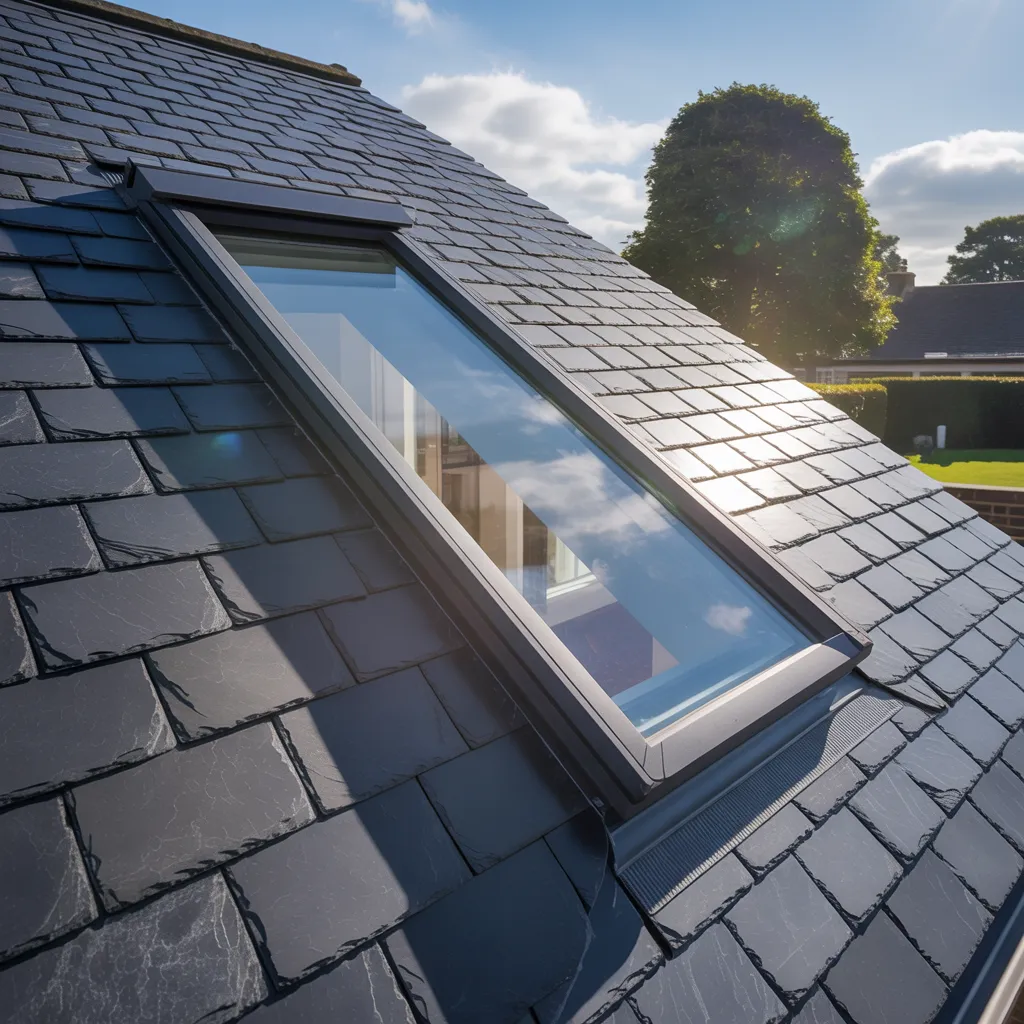
Understanding Skylight Energy Efficiency
While many homeowners think that skylights may result in substantial heat loss, studies demonstrate a more complex reality. The effectiveness of skylights primarily relies on their design, placement, and the materials used. Today's skylights commonly incorporate advanced glazing technologies that limit heat transmission, notably boosting energy efficiency. Additionally, well-placed skylights are capable of maximizing natural daylight, decreasing dependence on artificial lighting and potentially lowering electricity bills.
Evidence shows that strategic placement of skylights can also promote better air circulation, which may lead to lower heating and cooling requirements. However, it is essential for homeowners to select energy-efficient models and ensure proper installation to maximize benefits. The common myth of skylights as energy drains can obscure their potential advantages, making it essential for homeowners to familiarize themselves with the technology behind modern designs and their impact on energy consumption in homes.
The Effect of Skylights on Indoor Temperature
Skylights can considerably influence a home's temperature by allowing natural light, which may lead to greater heat absorption during warmer months. However, when designed and installed with energy efficiency in mind, they can also support better insulation and reduced energy costs. Understanding these dynamics is essential for homeowners thinking about skylights as a means to boost both living comfort and overall energy performance.
Heat Gain Factors
Bringing sunlight into a home can considerably affect its temperature dynamics. Roof windows, while offering visual charm, can also lead to greater thermal gain, particularly in hotter seasons. Light coming in through skylights can increase indoor temperatures, especially if the units are without proper glazing or insulation. Residents should take into account the orientation and size of skylights, as these elements significantly affect how much heat is retained. Skylights facing south tend to capture more sunlight throughout the day, potentially resulting in uncomfortable heat levels. To minimize excess thermal absorption, correct installation practices and shading measures, such as interior shades or blinds, are critical. Being aware of these thermal factors is crucial for homeowners aiming to manage natural light with indoor temperature comfort.
Advantages of Energy Conservation
Natural light plays an essential role in boosting a home's overall energy efficiency. When correctly installed, skylights can significantly decrease dependence on artificial lighting, contributing to decreased energy consumption during daylight hours. By allowing natural sunlight to penetrate interior spaces, skylights can also help regulate indoor temperatures. During learn the facts winter months, they can harness sunlight to heat living spaces, while during hotter months, premium glazing technologies limit heat gain, ensuring homes remain cooler. Moreover, thoughtfully located skylights promote ventilation, permitting hot air to be released, additionally supporting a pleasant indoor environment. By thoughtfully incorporating skylights into their home design, homeowners can benefit from reduced energy costs and a greener living space. Therefore, skylights provide a persuasive option for achieving greater energy efficiency.
Can Skylights Lead to Leaks?
Among homeowners contemplating skylights, worries about leaks are quite prevalent, appropriate installation and regular maintenance can substantially minimize such concerns. Skylights commonly carry a reputation for leaking because of where they sit on the roof, making them susceptible to precipitation, snow accumulation, and other environmental factors. Yet, when skilled professionals follow manufacturer protocols during installation, the risk of leaks drops considerably. High-quality flashing and sealants are essential components that help prevent water infiltration.
Additionally, choosing the right options for the skylight itself, such as high-quality acrylic or double-pane glass, can increase longevity and weather resistance. One must recognize that ignoring minor maintenance tasks, like cleaning and inspecting seals, can cause complications over time. Consequently, while skylights can potentially cause leaks, informed choices and attention to installation details can successfully address this concern for most residential property owners.
How to Keep Your Skylight in Top Condition
Keeping up a skylight demands routine care to secure its durability and optimal function. Property owners should begin their maintenance routine by checking the skylight for any evidence of deterioration, such as splits or moisture issues. Cleaning the glass periodically with a gentle cloth and a light cleaning solution can help reduce residue formation that may hinder the flow of daylight. In addition, checking the flashing and seals around the skylight is imperative to verify they remain intact and effective against moisture infiltration.
It is also advisable to clear any debris, such as leaves or branches, that may accumulate on the roof or around the skylight. Confirming proper drainage will prevent water pooling, which can lead to potential leaks. Finally, scheduling a professional inspection every few years can help identify any underlying issues before they become significant problems, confirming the skylight continues to enhance the home's interior and energy efficiency.
Picking the Ideal Skylight Style for Your Home
How do homeowners go about choosing the skylight style that is most appropriate for their home? The first step is to consider the architectural character of the home. Traditional homes may benefit from fixed skylights, while modern designs might complement tubular or vented options. Additionally, taking the intended use of the room into account is important; as an example, a kitchen may call for a vented skylight to support proper airflow, while a living room might prioritize visual appeal with a fixed skylight.
The management of light is another key aspect. Property owners should consider their need for controllable light levels, a goal that can be accomplished with functional skylights. Furthermore, regional climate factors come into play; areas with heavy rainfall may necessitate more durable, weather-resistant styles.
Finally, financial limitations cannot be ignored. Property owners should weigh the expenses of fitting and servicing against the benefits of various skylight styles, so that they can identify an option that aligns with both their preferences and financial situation.
Why Installing Skylights Is Worth Considering
Adding skylights provides many compelling benefits that can improve any residence. They substantially enhance natural light, resulting in a brighter and more welcoming environment. This increase in sunlight can elevate mood and decrease dependence on artificial lighting, resulting in possible energy savings. Additionally, skylights can provide ventilation, allowing warm air to escape and cooler air to circulate, leading to a more enjoyable interior climate.
Furthermore, they can improve the visual appeal of a home, creating architectural distinction and boosting property value. Many homeowners appreciate that skylights can make compact or dimly lit areas feel larger and more open.

Questions Our Clients Often Ask
Can Skylights Boost My Home's Resale Value?
Skylights can enhance a home's market value by enhancing natural light and visual appeal, fostering an appealing ambiance. However, the actual increase in value often depends on location, market trends, and buyer preferences.
Can Skylights Be Installed in Any Room?
Skylights are suitable for installation in a variety of rooms, including living areas, kitchens, and bathrooms. Nevertheless, elements such as roof pitch, structural support, and local building regulations need to be evaluated for proper installation and optimal functionality.
Are There Skylights Built Specifically for Flat Roofs?
Absolutely, there are skylights purpose-built for flat roofs. These products boast a slim profile design and effective drainage systems, delivering efficient water management while maximizing sunlight and visual appeal in spaces with flat roofs.
How Can I Safely Clean My Skylight?
To safely clean a skylight, you should use a gentle cloth or sponge with a gentle detergent. Do not use harsh chemicals, and use a ladder or extending tools to reach high areas securely.
What Is the Lifespan of a Skylight?
The expected lifespan of a skylight generally falls between 10 and 20 years, based on the materials used, installation quality, and upkeep. Periodic inspections are useful for extending the life of a skylight and preventing concerns such as leaks or structural deterioration.